COP31 ends without a deal after the longest UN climate talks on record
COP31 closed in Antalya on Sunday without a covering political pact, after talks overran into record length. The EU and several climate-vulnerable countries rejected a draft that did not mention fossil fuels.
· 3 min read
In brief
- COP31 closed in Antalya on Sunday after record overtime, without a covering pact.
- The EU and vulnerable states rejected a draft that did not mention fossil fuels.
- Adaptation finance stayed unresolved; about 80 countries backed a 2035 electrification target.
The UN COP31 climate summit closed in Antalya on Sunday without a covering political agreement. Talks had been due to finish on Friday but ran into Sunday, making the conference the longest UN climate negotiation on record. The joint Turkish–Australian presidency’s “Antalya pact” was rejected in the final hours by the European Union, the United Kingdom and several climate-vulnerable nations.
A text silent on fossil fuels
The draft presented in the early hours of Sunday did not contain the words “fossil fuels”. The only indirect reference was a nod to the COP28 agreement of 2023, in which countries pledged to transition away from coal, oil and gas in energy systems. Speaking for the EU, Irish minister Darragh O’Brien said the decisions went nowhere near the level of ambition needed to tackle climate change, and that a climate pact with no mention of fossil fuels was unconscionable. Panama and the Marshall Islands took a similar view.
A Monday draft had mentioned fossil fuels six times; that was unacceptable to oil-producing states. Saudi Arabia’s Mohammad Ayoub said Arab countries had continued to engage in good faith but accounted for only a small share of historical greenhouse-gas emissions. Russia warned against turning to slogans and argued that moving away from coal, oil and gas too quickly would lead to fuel poverty.
Finance, electrification and 1.5 °C
Many developing countries criticised the lack of progress on climate finance. There was no decision on a proposed $120bn target for adaptation funding, and the text carried neither concrete figures nor the baseline against which last year’s COP30 pledge to triple adaptation finance would be measured. Mohamed Adow of Power Shift Africa said rich nations could not keep arriving empty-handed.
The closing plenary still adopted several items, including limited or procedural outcomes on a new global just-transition mechanism and support for countries struck by climate disasters. Around 80 nations signed up to a target of securing 35% of final energy consumption from electricity by 2035. Outside the formal talks, coalitions of countries championed roadmaps for transitioning away from fossil fuels.
UNFCCC chief Simon Stiell expressed deep disappointment and spoke of scope to improve, modernise and reform the UN climate process. UN Secretary-General António Guterres, at his last COP before leaving office, was also deeply disappointed. Australian prime minister Anthony Albanese attributed the failure to difficult geopolitical times. Chris Bowen, president of the negotiations, pointed to unbridgeable red lines. The last comparable collapse of a COP’s main political agreement was in Copenhagen in 2009.
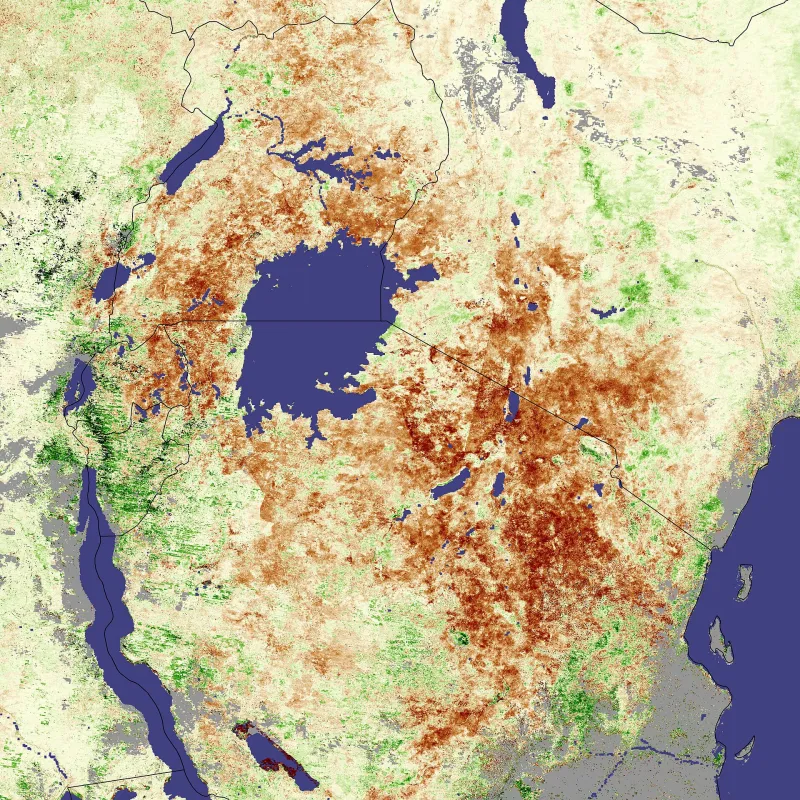
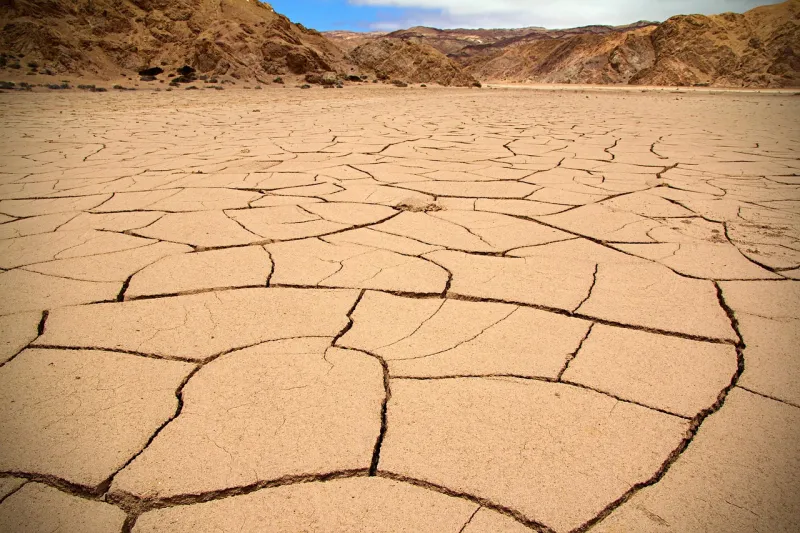
Fossil fuels are the main cause of global warming. 2026 could end as the hottest year on record, with extreme weather including summer heat and drought in Europe and flash flooding in Nepal. COP31 was the first annual UN climate conference to discuss formally that the Paris Agreement aim of limiting warming to 1.5 °C above the pre-industrial level is set to be missed.
What it means
For readers in Hungary, this year’s European heatwave and drought already sit in that wider pattern. The summit outcome does not overwrite existing EU or national climate commitments, but the global framework has not added a new pact that clearly constrains fossil fuels, nor a fixed adaptation-finance figure. Agriculture under drought, heat stress and water management remain the domestic adaptation agenda; several countries say they will push further in coalitions outside the formal talks.
- 80
- nations backing the 35% electrification goal
- 35%
- electricity in final energy use by 2035
- $120bn
- proposed adaptation-finance target
- 1.5 °C
- Paris warming limit above pre-industrial
Zivor poll
Should UN climate pacts name fossil fuels explicitly?
Enjoyed it? Share it!
Sources
- COP31 fails to agree on climate deal in chaotic finale (Phys.org – Environment)
- What's next after no deal at COP31 climate summit? (BBC Science & Environment)
- Longest-ever UN climate talks end with no deal as deep divisions exposed (BBC Science & Environment)
- Five takeaways from the failed climate talks COP31 (BBC Science & Environment)
- COP31: Key outcomes agreed at the UN climate talks in Antalya (Carbon Brief)
- What failure of COP31 reveals about a divided world (BBC Science & Environment)
- Indigenous communities push back against mining for clean energy (Yale Climate Connections)
- Szén-dioxid-leválasztás: megosztó klímatechnológia a COP31-en és az EU-ban
Comments
Comments are reviewed by automated moderation every four hours; anyone can report unlawful content. Rules