
Czech vegetable farms: 30–50% losses in worst-hit areas after drought
Prolonged rainfall deficits and high temperatures in the 2026 season cut yields by 30–50% in some vegetable crops in the worst-affected Czech growing districts. Combined weather damage had reached nearly 700 million Czech koruna by mid-September.
· 2 min read
In brief
- Yield losses of 30–50% apply to some crops in the worst-hit Czech districts, not to national output as a whole.
- Combined weather damage — drought, frost, hail and cloudbursts — neared CZK 700 million by mid-September.
- Brassicas, onions, peas, lettuce and beetroot were hit hardest; irrigation costs doubled for some growers.
- Home production covers about 35% of Czech vegetable demand.
The 2026 growing season brought heavy losses to Czech vegetable production. Prolonged lack of rainfall and high temperatures reduced yields in several growing districts: in the worst-affected areas, some crops saw shortfalls of 30–50%. That range does not describe the country’s entire vegetable harvest.
By mid-September, combined weather damage had approached 700 million Czech koruna. The figure includes spring frosts, hail and cloudbursts as well as drought. Besides lower volumes, environmental stress also reduced the quality and marketability of what was harvested.
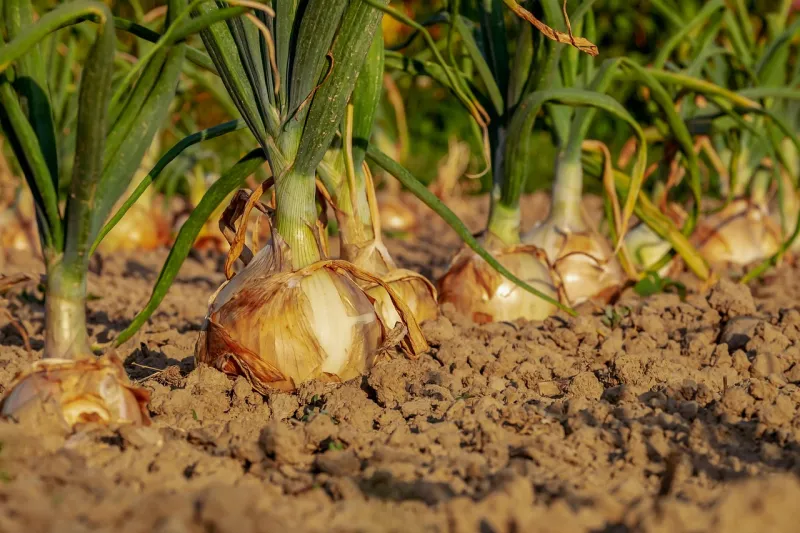
Cabbages, onions, peas, lettuce and beetroot
Unfavourable weather hit brassicas, onions, peas, lettuce and beetroot particularly hard. Lasting water shortage cuts not only the quantity that can be picked, but also size, uniformity and storage life.
Many holdings had to irrigate more intensively; for some growers irrigation spending rose to twice the previous level. Higher fuel prices, energy use, labour and harvest costs added further to production costs.
Drought, heatwaves, frost and hail
Drought, frosts and heatwaves all caused damage this year. Drought here means a lasting rainfall deficit: soil moisture is not replenished, plants are poorly supplied with water, and both yield and quality fall. A heatwave is a spell of persistently high temperatures that increases evaporation and water demand. Spring frost strikes crops when they are still vulnerable; hail and cloudbursts cause mechanical damage and waterlogging in a short time.
Domestic production covers roughly 35% of Czech vegetable demand, so the country relies heavily on imports. A weaker home crop can deepen dependence on foreign suppliers.
What it means for markets and water management
Growers could pass on only part of the higher outlays in sale prices. The Czech vegetable market is not set by home supply alone: prices also follow European growing conditions, international trade and competition from imports. A smaller crop therefore did not automatically bring a matching rise in prices.
The season’s lesson is that vegetable competitiveness is increasingly tied to water management. Farms with irrigation infrastructure are in a markedly better position than those that depend only on natural rainfall. The investment required is substantial, and smaller and medium-sized horticultural holdings struggle to fund it from their own resources. Preserving capacity will have to go together with modernising technology and water use — a shift that can affect supply and price competition across the Central European vegetable trade.
- 30–50%
- yield loss in some crops in the worst-hit areas
- CZK 700 million
- combined weather damage by mid-September
- 35%
- share of domestic vegetable demand met at home
- 2×
- irrigation spending for some growers
Zivor poll
What is the main lesson from this Czech vegetable season?
Enjoyed it? Share it!
Sources
This article was produced with the help of artificial intelligence, based on the sources listed. How we work
Comments
Comments are reviewed by automated moderation every four hours; anyone can report unlawful content. Rules