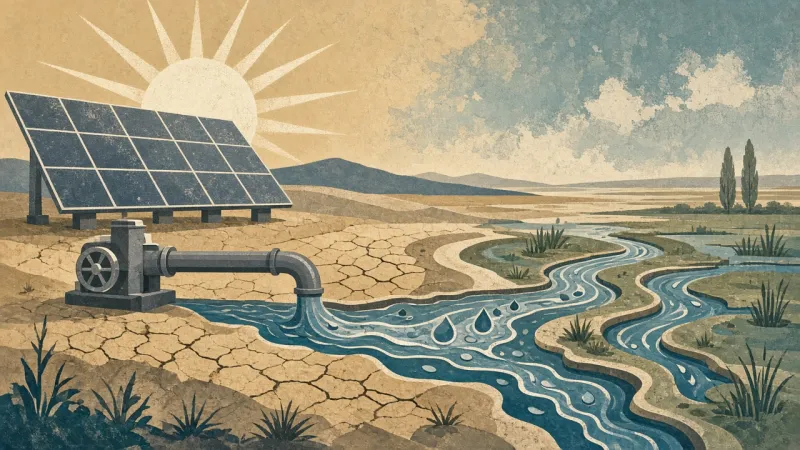
Drought and heatwaves curb the EU pear harvest outlook
The Netherlands is expected to lead EU pear output in 2026/27 at 383,000 tonnes. Belgium faces a 7% drop after drought and weak irrigation; Poland’s crop was hit by spring frost, low rainfall and summer heatwaves.
· 3 min read
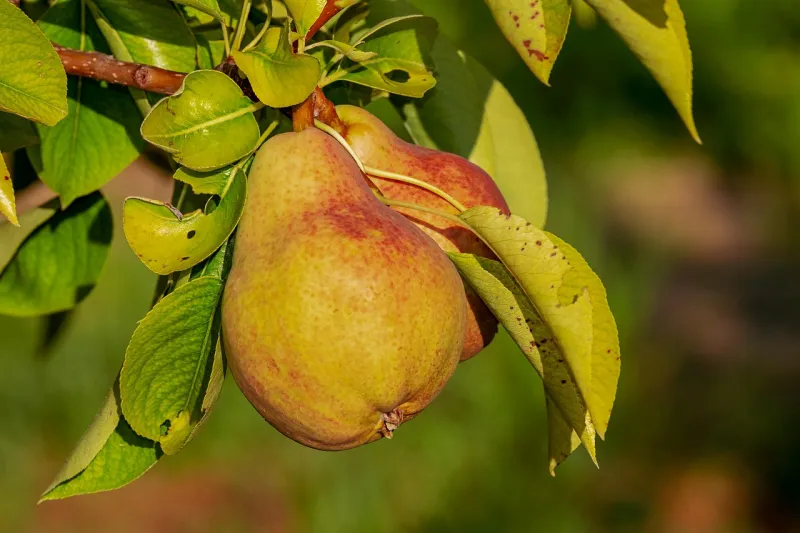
In brief
- The Netherlands may be the EU’s top pear producer in 2026/27 at 383,000 tonnes.
- Belgium is expected to fall 7% after drought and limited irrigation.
- Poland’s crop was reduced by spring frost, low rainfall and summer heatwaves.
- Harvested EU pear area appears to be stabilising near 93,000 hectares.
More than 70% of the European Union’s commercial pear crop still comes from the Netherlands, Belgium, Italy and Spain. For 2026/27 the Netherlands is expected to be the largest producer, at about 383,000 tonnes — a 7% rise on the previous year. Belgium’s crop may fall 7% to 364,000 tonnes. Italy is forecast to expand by 17% to 347,000 tonnes, while Spain may hold near 243,000 tonnes. The top spot has changed hands: Italy led in 2024/25, Belgium a year later. Higher costs, alongside the weather, continue to constrain the sector’s development.
Irrigation, drought and heatwaves
In the Netherlands favourable flowering and a normal rate of natural fruit drop produced a good fruit set. Irrigation and fertigation on a large share of orchards eased the effects of water shortage. Drought was more severe in Belgium: the industry is fragmented, and many smaller holdings lack adequate irrigation, so average fruit size was smaller and yields fell short of expectations. Late-summer rain partly improved the picture.
Italy’s recovery still leaves output below an estimated potential of about 420,000 tonnes. Heat from late June slowed fruit development; hail and strong windstorms caused damage in places. Plant-health problems and unsettled weather remain a drag. In Spain heavier natural fruit drop and summer heatwaves limited yields; growers are paying more attention to varieties better suited to a changing climate.
Uneven balances in the west and east
In France the USDA projects a 10% decline to 141,600 tonnes; Agreste’s later outlook is 146,000 tonnes, an 8% fall. Wet weather at flowering was followed by five successive heatwaves and a severe summer drought that hindered fruit growth. Planted area is rising slowly, especially in the Loire region.
Portugal is expected to grow 11% to 138,000 tonnes, helped by favourable spring and summer weather for the Rocha variety. Pear leaf blotch and fire blight remain serious plant-protection challenges. In Greece, kinder weather may lift the crop 14% to 80,000 tonnes. Poland, by contrast, is looking at a 17% drop to around 80,000 tonnes: spring frosts, low rainfall and summer heatwaves together cut yields and fruit size. New plantings focus on the Conference variety, often on land formerly under apples.
What this means for shoppers and growers
After years of decline, harvested pear area in the EU appears to be stabilising at about 93,000 hectares. Italy still has the largest surface, around 19,548 hectares, but that has almost halved over the past decade and a half. Supply will still be shaped by the four big producers and by more extreme weather — drought, heatwaves, hail and spring frost. Where orchards are irrigated, water shortage has been less damaging; where they are not, smaller fruit and lower yields are typical. Climate-adapted varieties and more intensive plantings may influence EU supplies in the years ahead.
- 383,000 t
- Dutch crop (expected)
- −7%
- Belgian change
- 93,000 ha
- EU orchard area
- 19,548 ha
- Italian pear area
Zivor poll
What hurt this year’s European pear crop most?
Enjoyed it? Share it!
Sources
This article was produced with the help of artificial intelligence, based on the sources listed. How we work
Comments
Comments are reviewed by automated moderation every four hours; anyone can report unlawful content. Rules