
Drought, space trials and plant breeding at Debrecen conference
Adaptability of crops, drought and modern breeding were the focus of the fifth Plant Breeding Memorial Day in Debrecen. Speakers also addressed Hungary’s seed market and germination experiments on the International Space Station.
· 2 min read
In brief
- Debrecen’s fifth plant-breeding memorial conference focused on drought, stress tolerance and modern methods.
- HUNOR trials germinated radish, wheat and paprika seed on the International Space Station.
- Foreign breeders hold nearly 100 per cent of the rape, maize and sunflower seed market.
- János Pauk said extreme dryness increases the importance of Hungarian breeding.
Specialists met in Debrecen at the fifth Plant Breeding Memorial Day and Conference to discuss crop adaptability, the conservation of genetic diversity and the renewal of Hungarian plant breeding. The event, part of the Festival of Hungarian Science, was dedicated to the agrobotanist György Mándy. Extreme environmental stress — including drought — and modern breeding methods were at the centre of the talks.
Szilvia Veres, scientific vice-dean of the University of Debrecen’s Faculty of Agricultural, Food and Environmental Sciences, said the faculty is shaping its future on respect for tradition, and that Mándy’s outlook still guides its work. Plant breeding is linked to all seven focus areas in the faculty’s 2026–2030 strategy.
Germination in orbit and lucerne seed
Faculty researchers, as part of the HUNOR Hungarian Astronaut Programme, successfully germinated radish, wheat and paprika seed on the International Space Station. The trials examined how the seed copes with extreme conditions. Research astronaut Tibor Kapu also took lucerne seed; breeding continues jointly with Kruppa-Mag Kft. Éva Domokos-Szabolcsy and Melinda Paholcsek presented the space-plant results. Research astronaut Bertalan Farkas attended the meeting.
Market share and dry years
János Pauk, president of the Hungarian Crop Producers’ Association, said the domestic breeding system is fragmented and that breeders, lacking adequate state support, struggle against foreign competitors. Foreign breeders hold nearly 100 per cent of the seed market in oilseed rape, maize and sunflower — crops grown on two-thirds of Hungary’s arable land. In cereals the domestic share is now only 50 per cent, down from about 80 per cent twenty years ago.
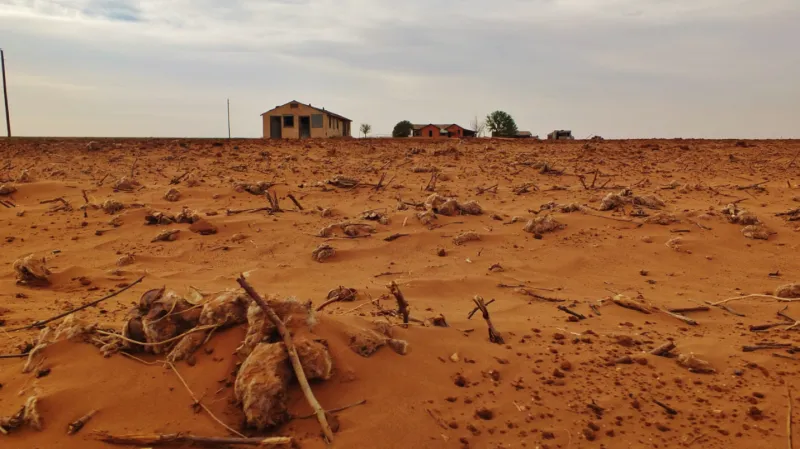
Climate change is the other challenge: recent years have brought extraordinary dryness. In Pauk’s view that raises the value of breeding done in Hungary, under Hungarian conditions.
Mándy’s scientific legacy
Professor emeritus János Nagy recalled that Mándy began his Debrecen career in 1970. His work addressed plant–environment interactions, germination physiology, water relations and leaf water retention, and he developed a phenological method for choosing cultivars best suited to farm practice. János Matuz reviewed pre-1945 breeding field meetings; Miklós Gábor Fári spoke on Mándy’s agrobotanical heritage. Stress tolerance, extreme environments and precision horticultural breeding were also on the agenda.
What it means for Hungarian farming
The practical point is that much of the arable area is occupied by crops whose seed market is dominated by foreign breeding, while dry years increase the worth of varieties selected for Hungarian conditions. Debrecen’s research — from phenology and stress tolerance to adaptability trials in space — feeds that breeding effort rather than offering an immediate field prescription.
- 100%
- foreign share (rape, maize, sunflower seed)
- 2/3
- arable land under those crops
- 50%
- domestic share in cereals
- 1970
- Mándy’s start in Debrecen
Weather in the places mentioned
Zivor poll
What should Hungarian plant breeding prioritise in the coming years?
Enjoyed it? Share it!
Sources
This article was produced with the help of artificial intelligence, based on the sources listed. How we work
Comments
Comments are reviewed by automated moderation every four hours; anyone can report unlawful content. Rules