Water shortage halves occurrence of several amphibian species in Hungary
Between 2023 and 2026 the Centre for Ecological Research surveyed 100 lakes: eight of nine amphibian species occupied fewer sites. Fire-bellied toads, spadefoot toads and Danube crested newts nearly halved; in 2026 almost a third of the lakes were dry all year.
· 2 min read
In brief
- 100 lakes were monitored for amphibians and water level from 2023 to 2026.
- Eight of nine recorded species occupied fewer lakes by 2026.
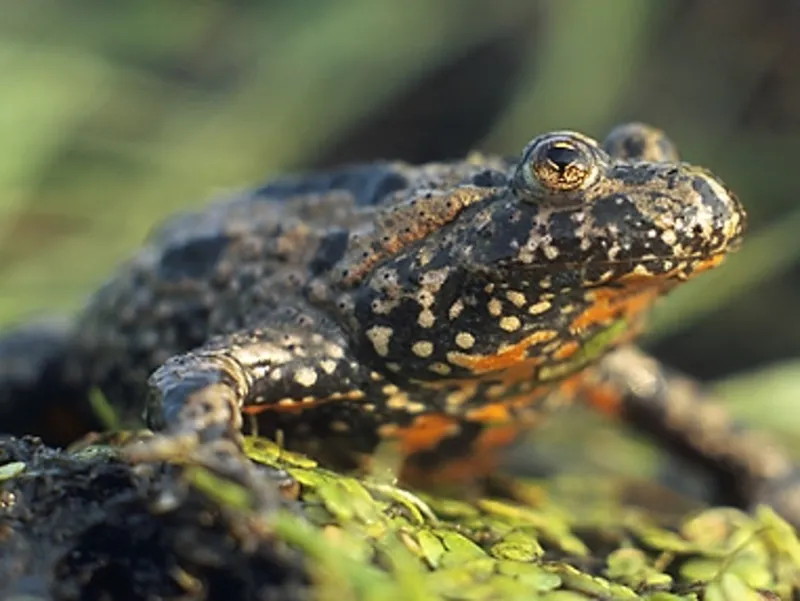
- Fire-bellied toad, spadefoot and Danube crested newt occurrence nearly halved.
- In 2026 almost a third of lakes were dry all year; 13 have been dry since 2025.
Significant water shortage and severe drought in recent years have put amphibians in Hungary at serious risk. According to the Centre for Ecological Research, the occurrence of several species has fallen by half over the past four years.
A hundred lakes, nine species, four years
Researchers tracked amphibian communities and water levels in 100 lakes from 2023 to 2026. The survey recorded nine amphibian species. Eight of them were present in fewer lakes in 2026 than at the start of the study.
The steepest declines were in the fire-bellied toad, the common spadefoot and the Danube crested newt, whose occurrence nearly halved. The green toad declined by 9 per cent. Even widespread water frogs of the Pelophylax complex occupied substantially fewer sites.
Lakes that stay dry all year
The pattern is consistent with lakes drying out. Drought — a lasting rainfall deficit that draws down soil moisture and surface water — has become more frequent and more persistent. In the summers of 2023 and 2024 only 15 per cent of the studied lakes dried up. In 2026 almost a third were dry throughout the year, not merely in summer. Thirteen of those lakes had been continuously dry since 2025.
In lakes that dried, amphibian species were less likely to persist from one year to the next. A shortfall of precipitation and the loss of habitat may pose a serious threat to these animals.
What it means for Hungarian wetlands
Amphibian eggs and larvae depend on water: if a breeding site dries, the next generation may fail. Permanently dry basins are therefore not only a landscape loss but a direct squeeze on wetland species. Agricultural and water-management pressures that leave fewer lasting pools in the countryside point in the same direction.
The four-year window shows a rapid shift: after summer drying in 2023–2024, year-round dryness had become typical in the sample by 2026. The Danube crested newt, fire-bellied toad and common spadefoot proved especially sensitive; the green toad’s smaller 9 per cent decline does not imply that other species have stabilised.
- 100
- lakes surveyed
- 8/9
- species at fewer sites
- ~50%
- toad and newt occurrence
- ~1/3
- lakes dry all year, 2026
Zivor poll
What should come first as Hungarian lakes dry out?
Enjoyed it? Share it!
Sources
This article was produced with the help of artificial intelligence, based on the sources listed. How we work
Comments
Comments are reviewed by automated moderation every four hours; anyone can report unlawful content. Rules