
Vermont offers low-interest loans to rebuild after catastrophic floods
The Vermont Bond Bank has launched a municipal climate recovery fund, giving towns cheap credit for infrastructure repairs while they wait for FEMA reimbursements. Indiana started a similar scheme this autumn.
· 2 min read
In brief
- Catastrophic floods hit much of Vermont in July 2023 and again in July 2024.
- The Bond Bank has provided low-interest infrastructure finance since 1970.
- A new municipal climate recovery fund covers repairs pending FEMA pay-outs.
- Indiana’s bond bank launched a similar programme this autumn.
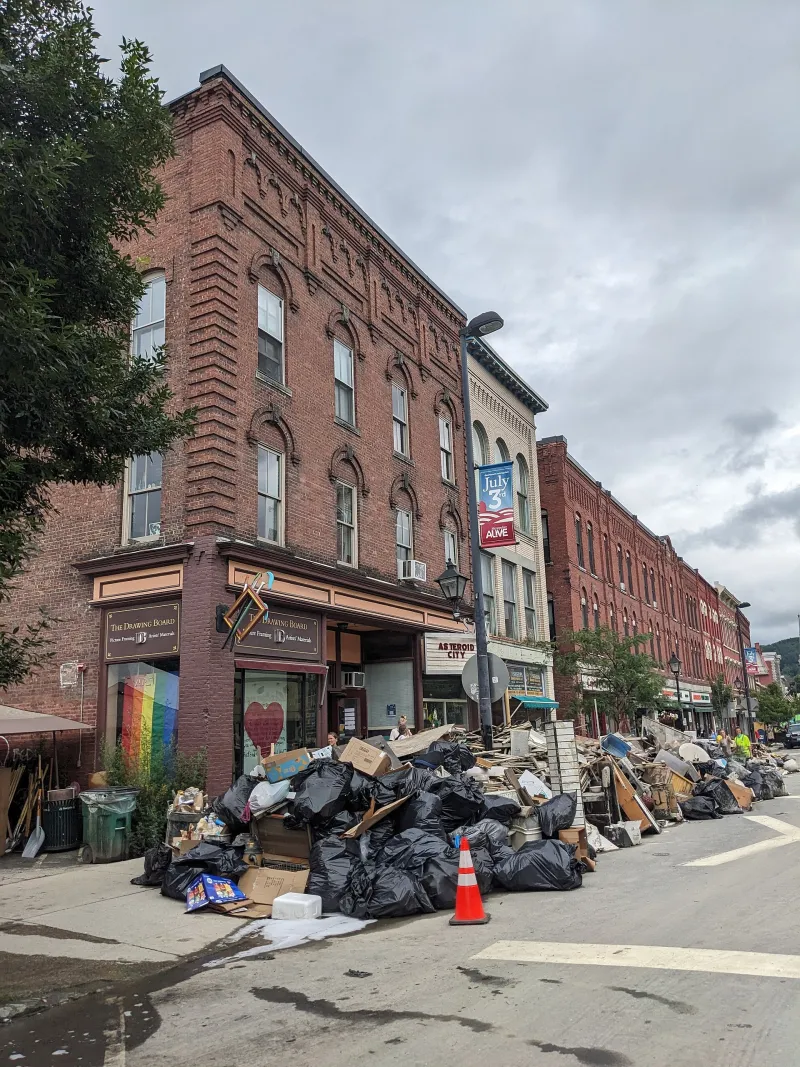
In July 2023, heavy rain brought catastrophic flooding across much of Vermont. A year later to the day, in July 2024, it happened again. Clearing debris and repairing roads and other infrastructure left cities and towns with staggering bills; in some small municipalities the cost exceeded the entire annual budget.
Credit limits and a state bond bank
In selected cases those bills pressed against what local banking relationships would lend. Michael Gaughan, executive director of the Vermont Bond Bank, said: “And so caused an issue where they, in select cases, were pushing up against the amounts that their banking relationships would lend to them.”
The state created the bond bank in 1970 so cities and towns could obtain low-interest financing for infrastructure. Gaughan said the institution has had the backs of Vermont communities for more than 50 years.
A municipal climate recovery fund
In response to the flooding, the bond bank launched a municipal climate recovery fund that offers low-interest loans to help cities and towns rebuild. Gaughan says the fund has helped municipalities across Vermont cover critical costs while they wait for reimbursements from the Federal Emergency Management Agency (FEMA).
Extreme rainfall and the money that follows
The Vermont events were driven by heavy rain and catastrophic inundation: intense precipitation can send a sudden flood wave down watercourses and damage roads, bridges and utilities. Climate change is described as fuelling more extreme weather, which in turn may spread this kind of financing.
This autumn, Indiana’s bond bank launched a similar programme after floods there. Other bond banks across the United States could follow suit.
What this means
The Vermont model is about timing as much as engineering. Debris clearance and road repairs are immediate; federal reimbursement can lag. Cheap credit bridges that gap and can stop a small town exhausting its budget or its commercial lending limit. For readers elsewhere, the lesson is that recovery after extreme rainfall is a financial as well as a physical task: delayed aid is itself a risk unless there is an interim, low-cost source of funds.
- 1970
- Vermont Bond Bank established
- 2023
- first catastrophic July flood
- 2024
- second flood, a year to the day later
- 50+
- years the bond bank has backed towns
Zivor poll
What financing do you see as most important after a flood?
Enjoyed it? Share it!
Sources
- Low-interest loans help Vermont towns recover from devastating floods (Yale Climate Connections)
This article was produced with the help of artificial intelligence, based on the sources listed. How we work
Comments
Comments are reviewed by automated moderation every four hours; anyone can report unlawful content. Rules