
Autumn lake levels as a clue to shoreline habitats and farm decisions
A falling or rising lake in autumn is more than a weather spectacle. The shoreline, shallows, plants and wildlife together show what is happening environmentally, and which water-management steps may be justified.
· 2 min read
In brief
- Autumn lake levels can signal shoreline habitats, water quality and farm constraints.
- One reading is not enough: natural versus managed regimes, rainfall and soil moisture all matter.
- Lower levels can create temporary habitat that is not always beneficial; higher levels can sustain wetlands but hinder work.
- Compare several points on the shore, and time machinery to wet or dry ground.
When a lake starts to fall or rise in autumn, many people treat the change as little more than a sign of rainfall or drier weather. The state of the shore, the spread of shallows, the vegetation and the movement of animals also indicate how much water remains in the basin towards the year’s end, and how shoreline habitats are shifting.
A single water-level reading is a poor basis for far-reaching conclusions. A lake with a natural water regime looks different from one whose level is also managed with sluices, pumping or other interventions. Nearby arable fields, pastures, shelterbelts and built-up stretches of shore respond differently to wetter or drier spells.
Lower and higher autumn levels
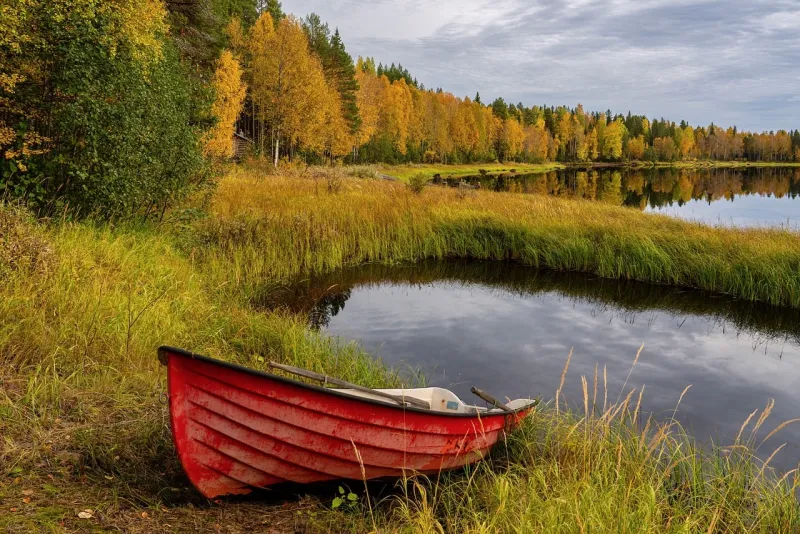
At a lower autumn level a wider shore strip may come into view. Muddy patches, vegetated ground or areas that had been underwater can appear, offering temporary habitat for some plants and birds. If the drawdown lasts, shallow water can warm, water quality can deteriorate, and the area available to fish, amphibians or waterbirds can change.
At a higher autumn level, some shoreline plants may stay closer to the water, and inundation of low-lying ground can increase. That can help wetlands persist, while making shore work, access and the timing of certain farm operations harder. Wet ground should not be put under unnecessary load.
What shapes the shore?
Water level is formed together by precipitation, soil moisture and drainage. On a wind-exposed shore, wave action and erosion develop differently than in a sheltered bay. Near an inflow, more sediment and nutrients may arrive; on the far side, shallowing, reedbeds or lakeside trees can influence how the water moves. A south-facing, more quickly warming stretch does not necessarily behave like a shaded northern bank.
An autumn inspection is therefore more useful if the open water, the inflows, the vegetated shore and the farmed margins are compared. Dated water-level notes, soil condition, vegetation change and photographs can later provide a baseline.
What does this mean on the farm?
On persistently wet soil, machinery can cause compaction damage, so harvest, mowing or maintenance need to follow local conditions. In drier spells, dust, retreating vegetation and heavier pressure on the shoreline can become the problem.
Decisions on drainage and water retention should not rest on the lake’s state at one moment. In some places holding water back may be justified; elsewhere inland-flood risk or the protection of nearby roads and buildings may require a different approach. How the surrounding land is used has to be part of the judgement.
Zivor poll
What do you notice first at a lake in autumn?
Enjoyed it? Share it!
Sources
- Meglepő dolgokat árulhat el egy tó őszi vízszintje (Agroinform)
This article was produced with the help of artificial intelligence, based on the sources listed. How we work
Comments
Comments are reviewed by automated moderation every four hours; anyone can report unlawful content. Rules